Working Group · Uganda
Diseases
Contact person for the working group
Dr. med. Claudia El Gammal, Siegen
Infectious diseases
Infectious diseases play a far greater role than in the highly developed countries and are particularly widespread among children.
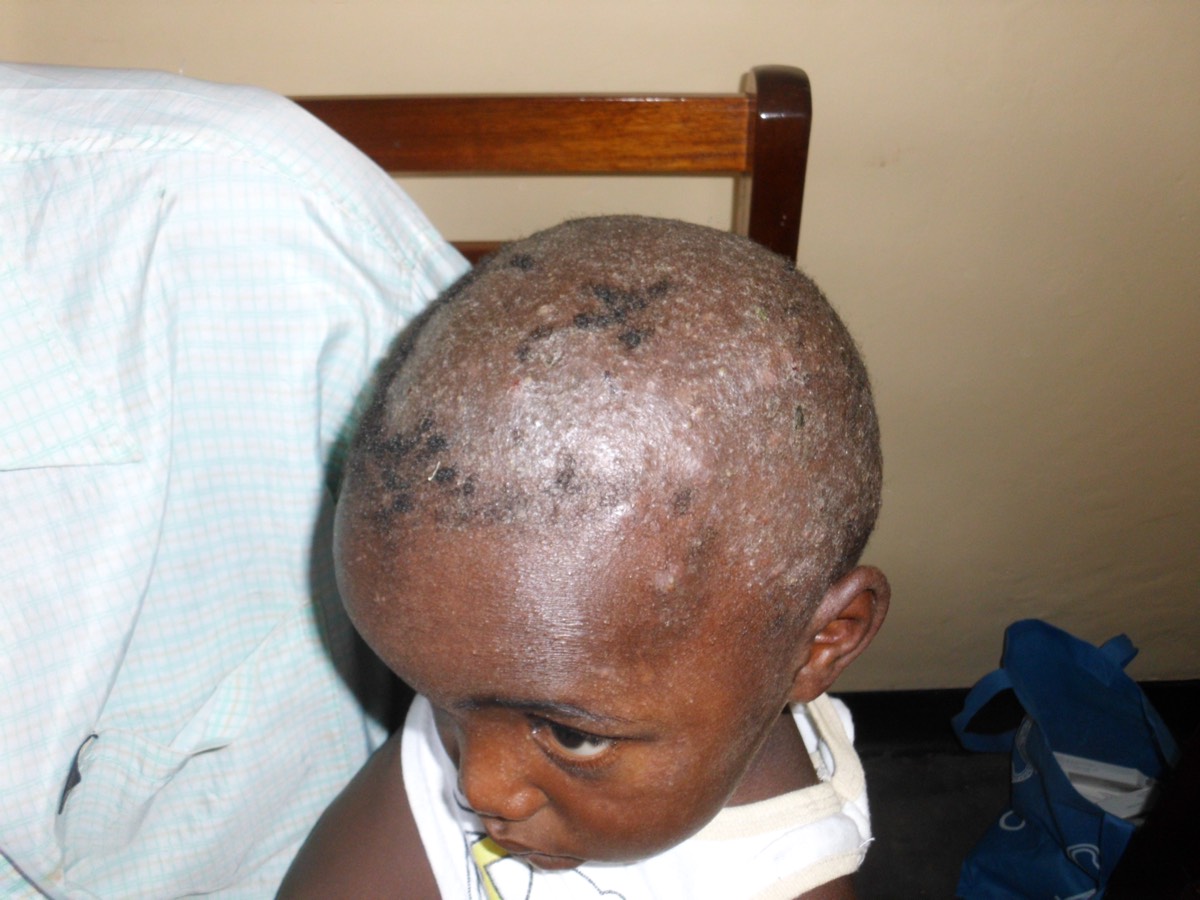
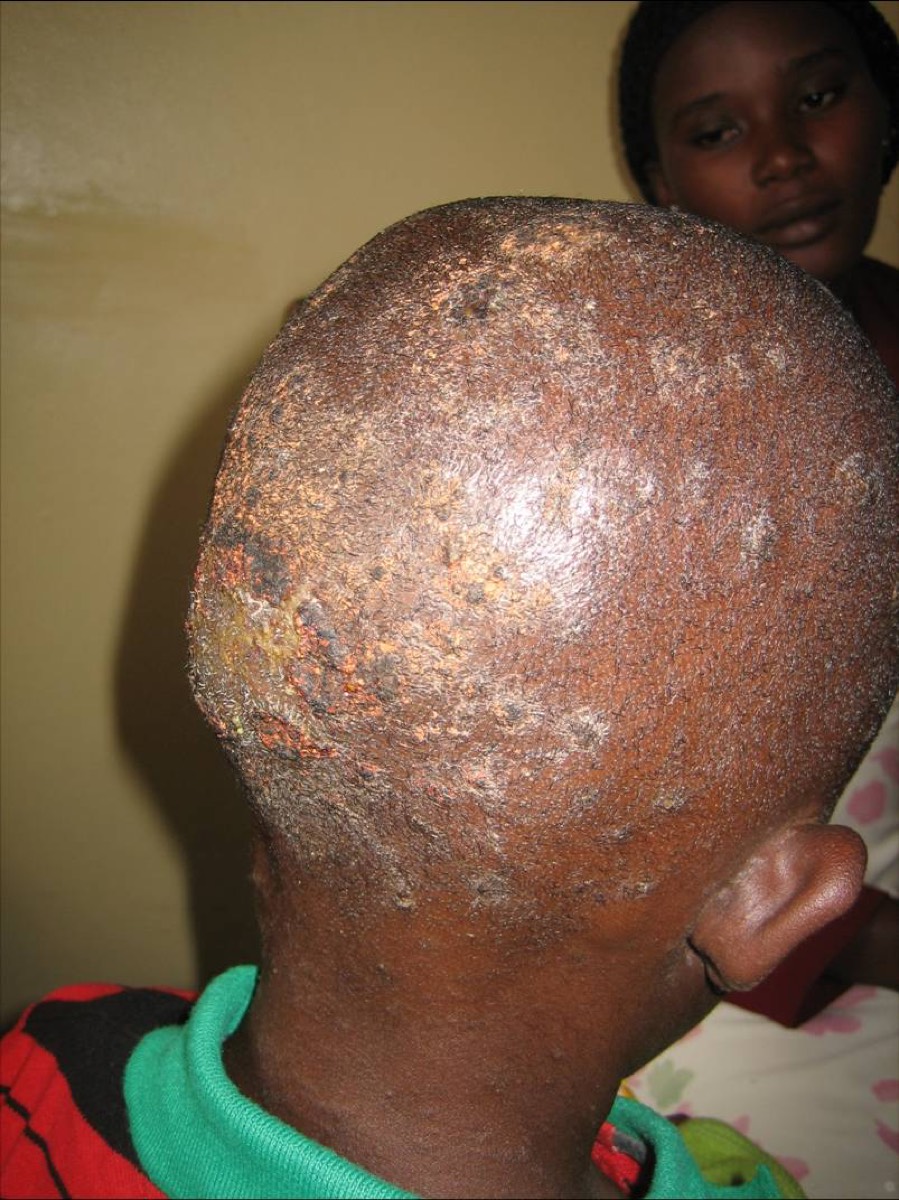
Fungal infections
Most children suffer from fungal infections of the scalp (tinea capitis), which are transmitted mainly through close contact with animals (e.g. goats, cats). They can take a mild course and heal spontaneously at puberty, but if left untreated they can also leave permanent scarring of the scalp with hairless patches or lead to further infections.
Scabies
This skin disease, caused by mites, is transmitted through close physical contact; often entire families are affected. The agonising itching in particular is very distressing, and those affected can hardly sleep. Scabies is very readily curable with appropriate creams or a single dose of medication. In addition, patients must be carefully informed about appropriate hygiene measures (washing and hot ironing of clothing and bed linen). Distinguishing it from atopic dermatitis or other eczemas is often difficult, which is why trained doctors are very important.
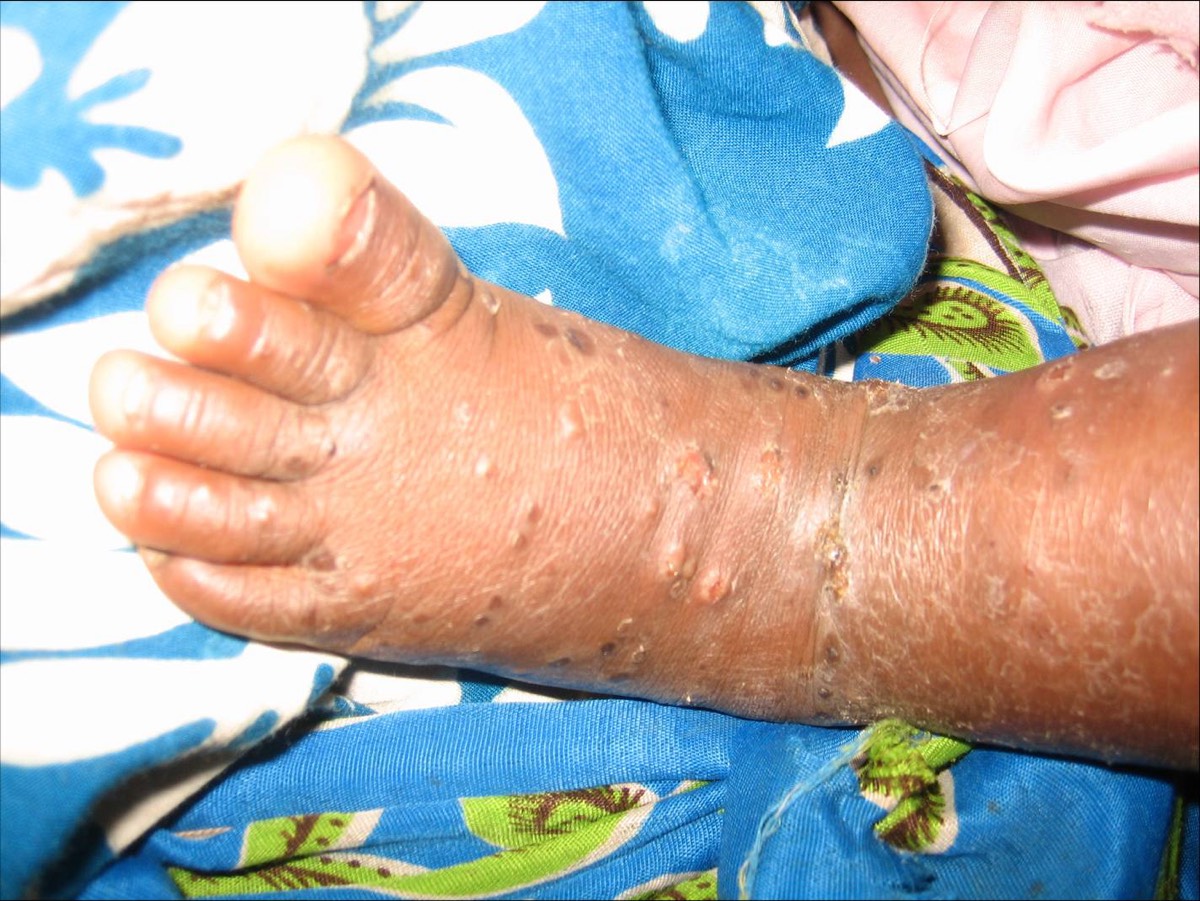
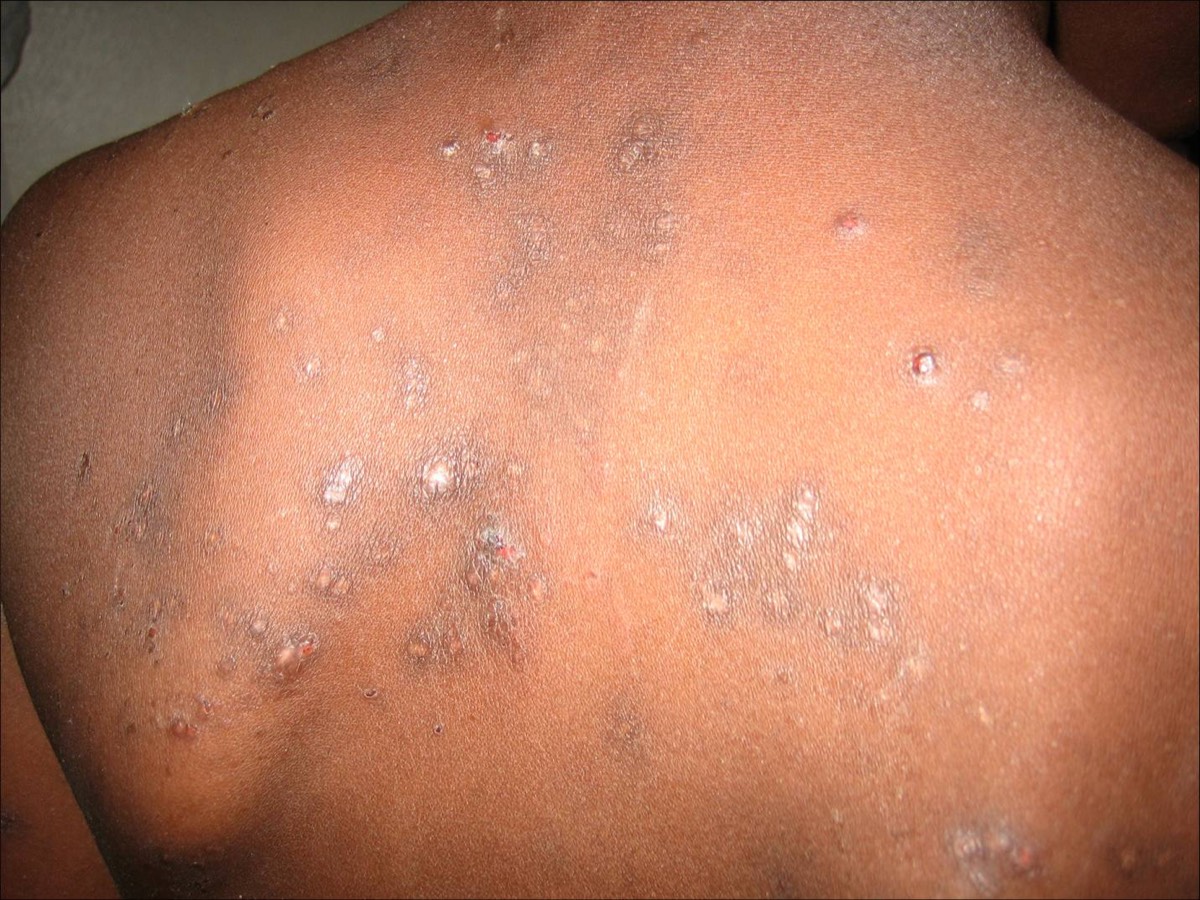
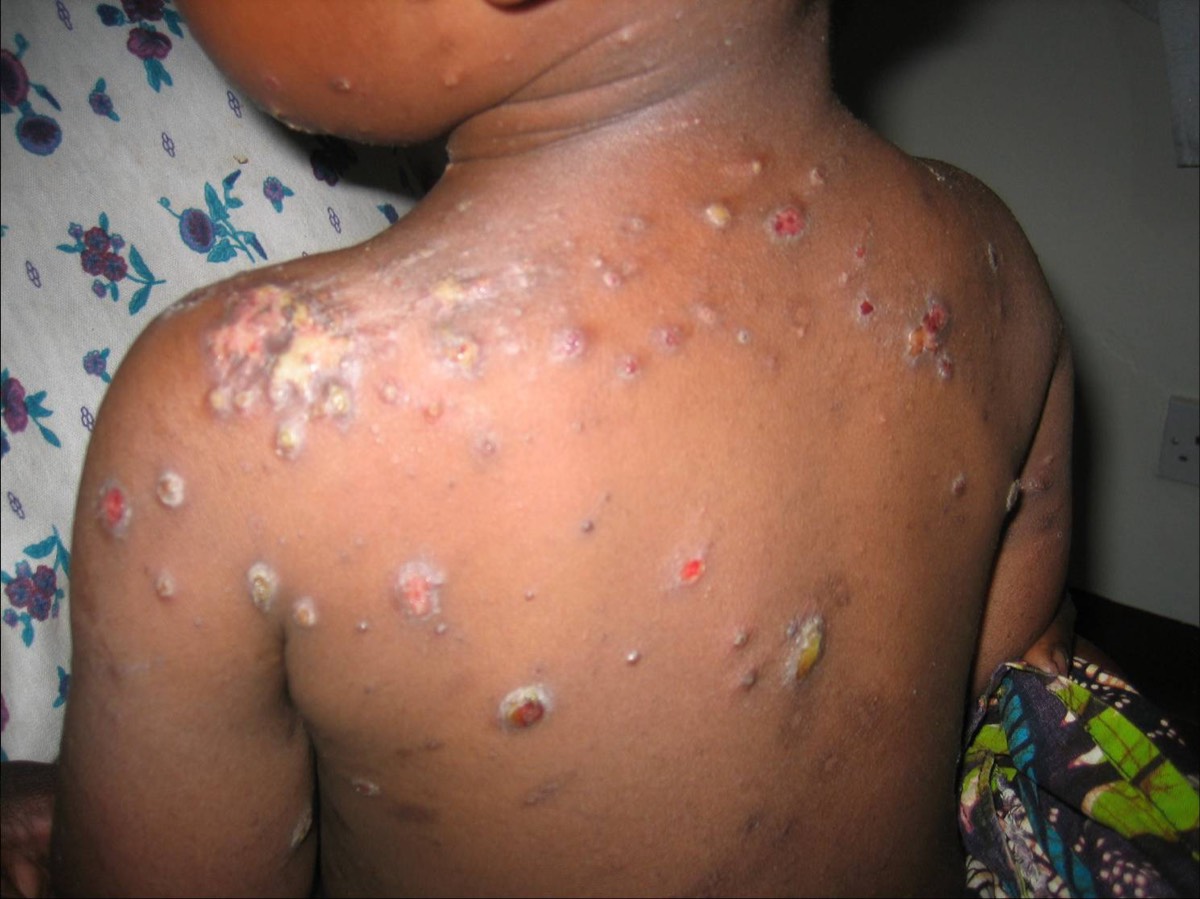
Bacterial skin infections
Here too, instructing patients in suitable hygiene measures is very important. Good wound care and topical treatment can in some cases avoid the use of antibiotics. If left untreated, serious complications such as inflammation of the heart and kidneys with permanent damage can result.
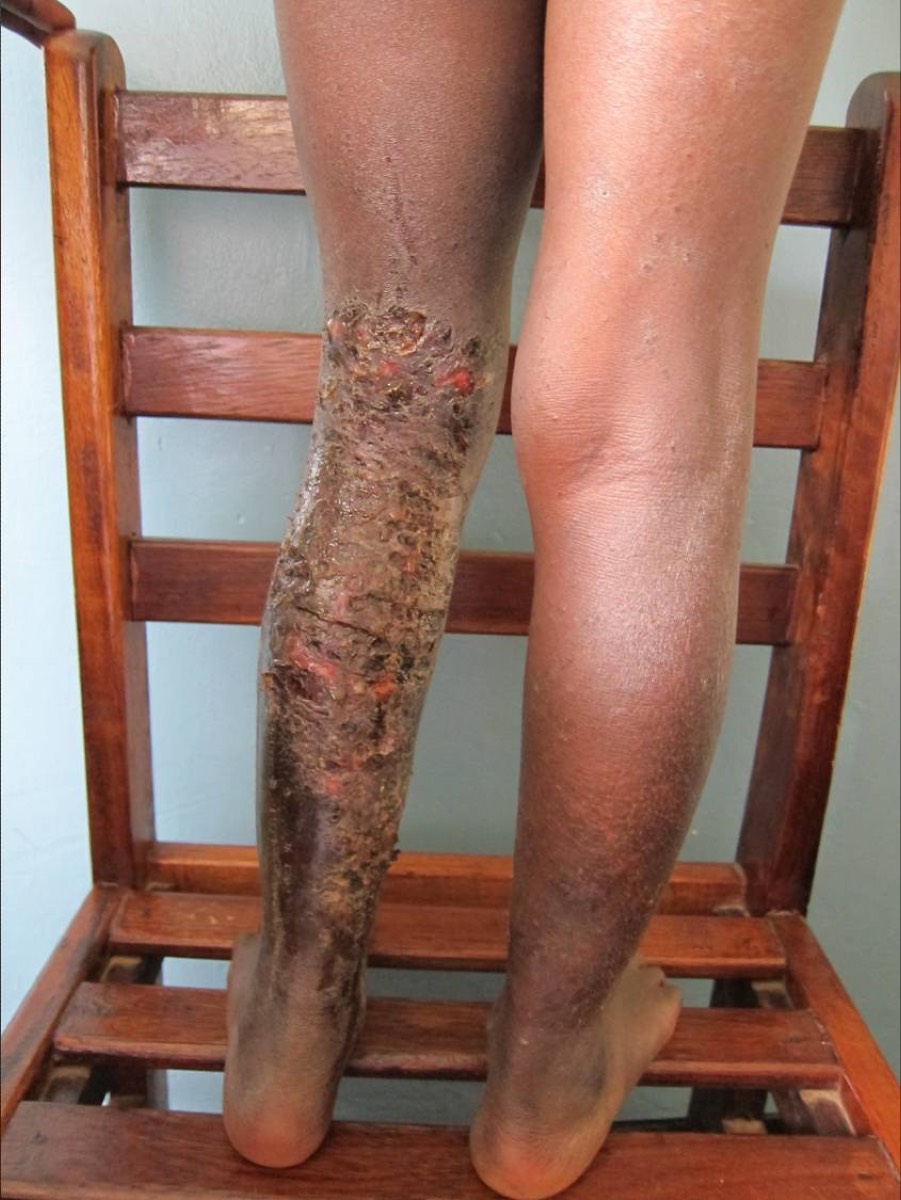
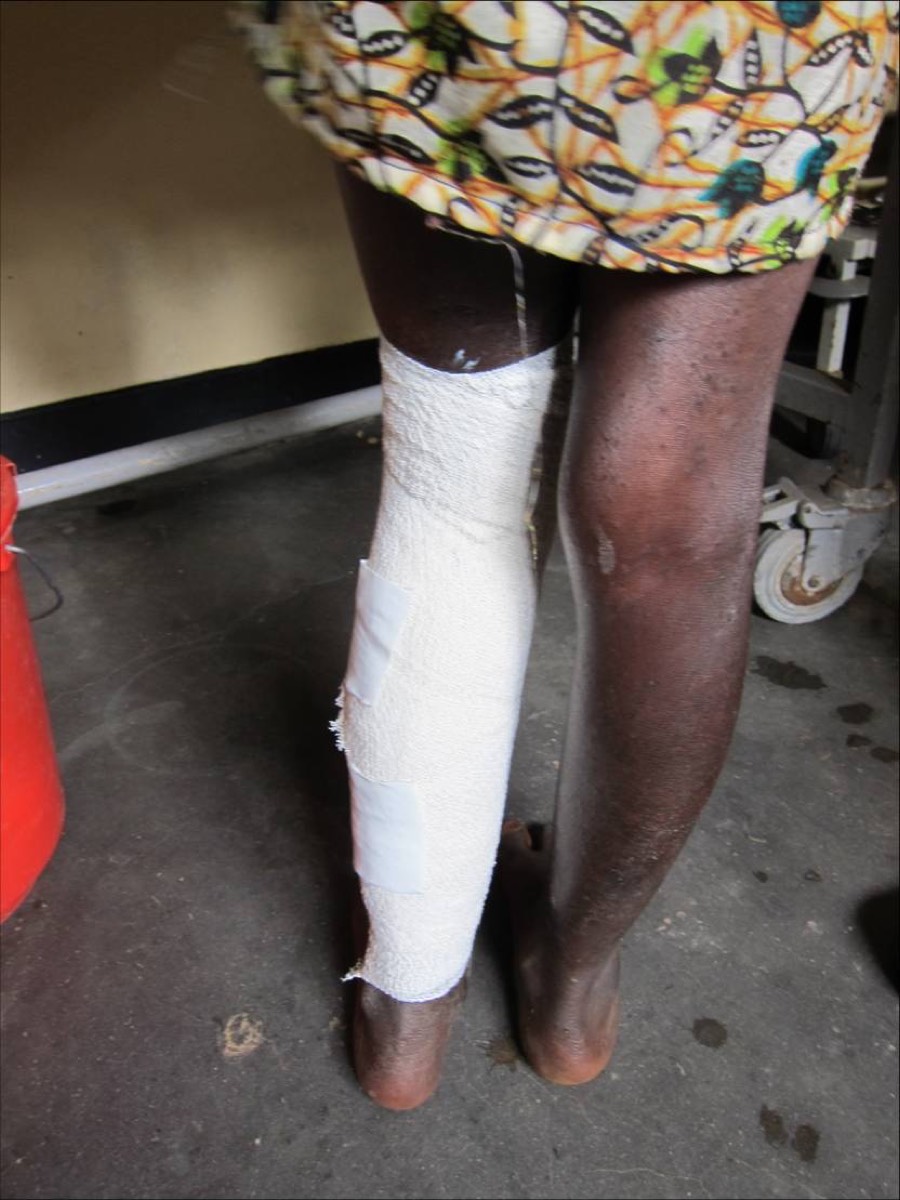
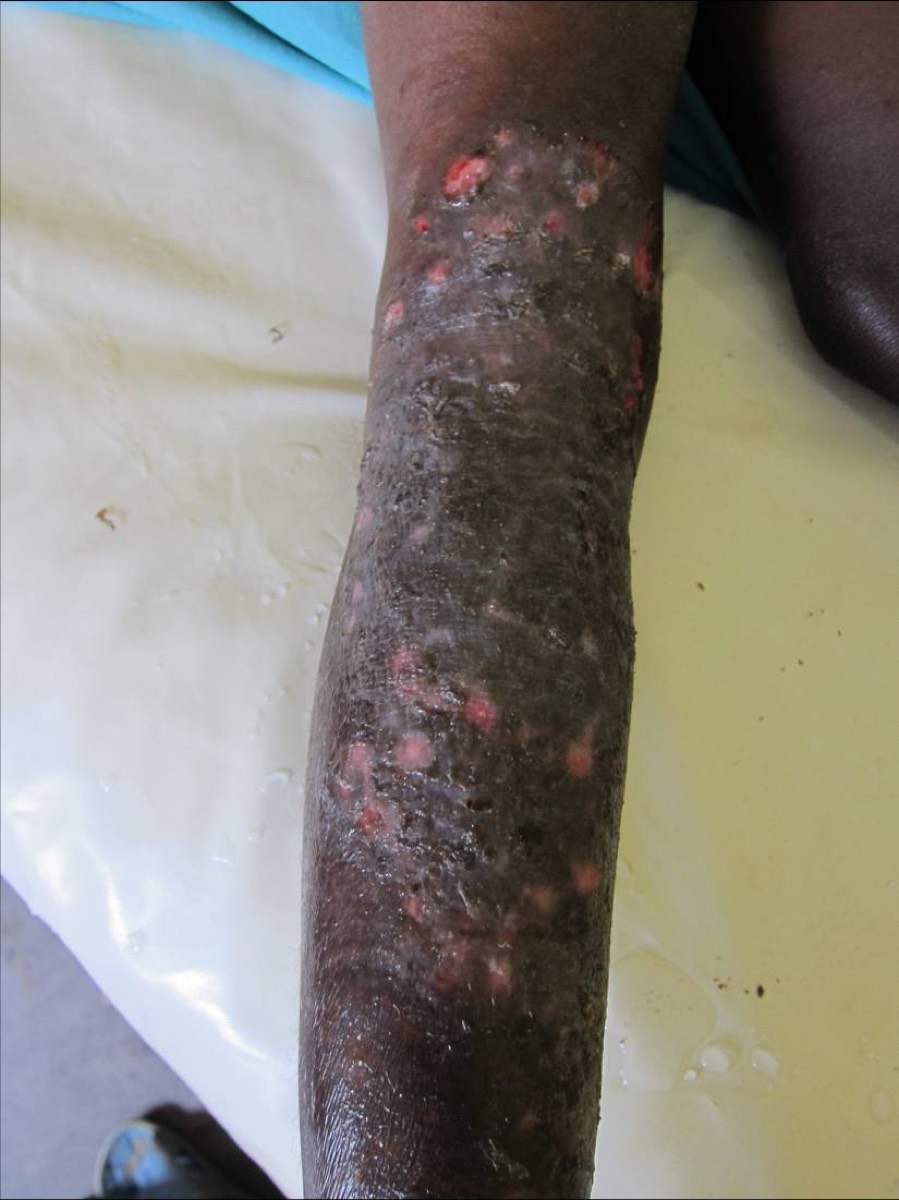
Infected, non-healing wound after an injury to the lower leg
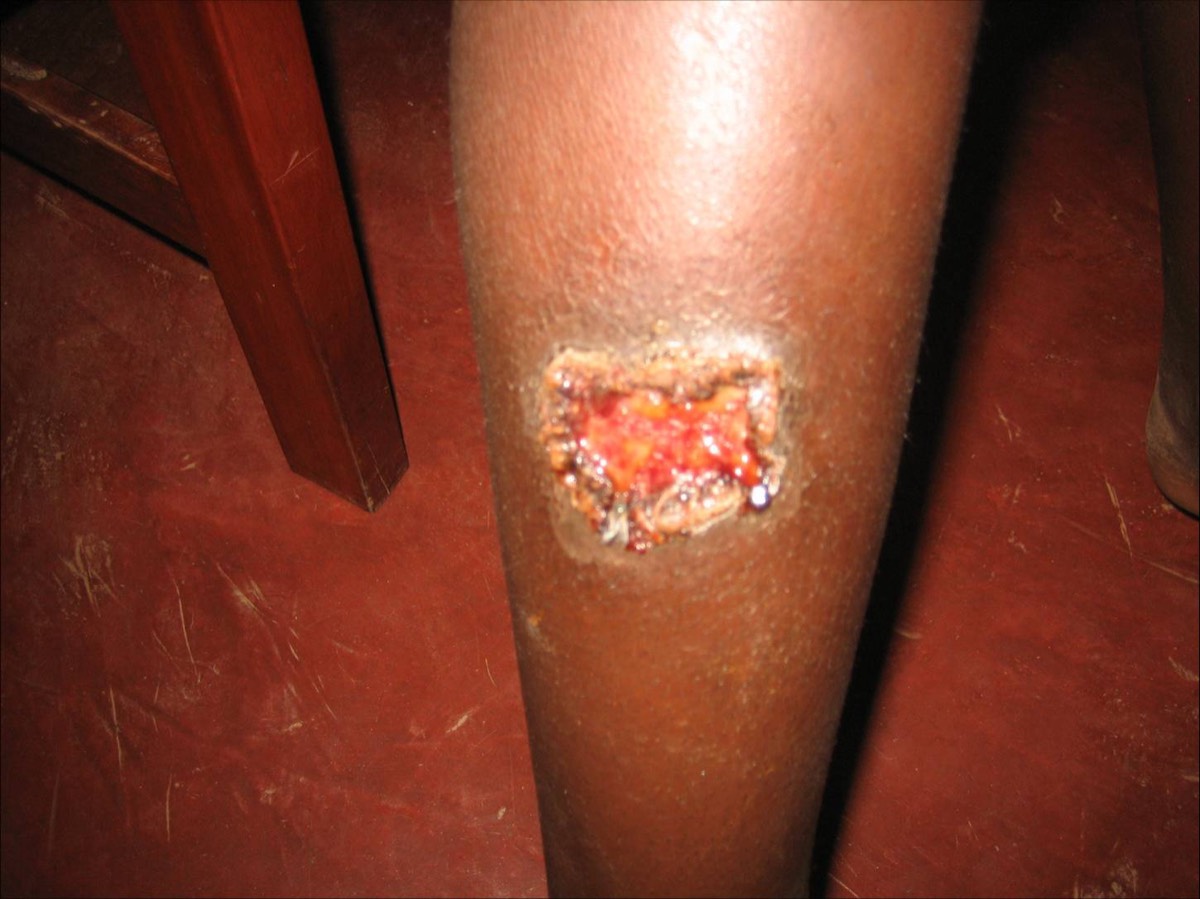
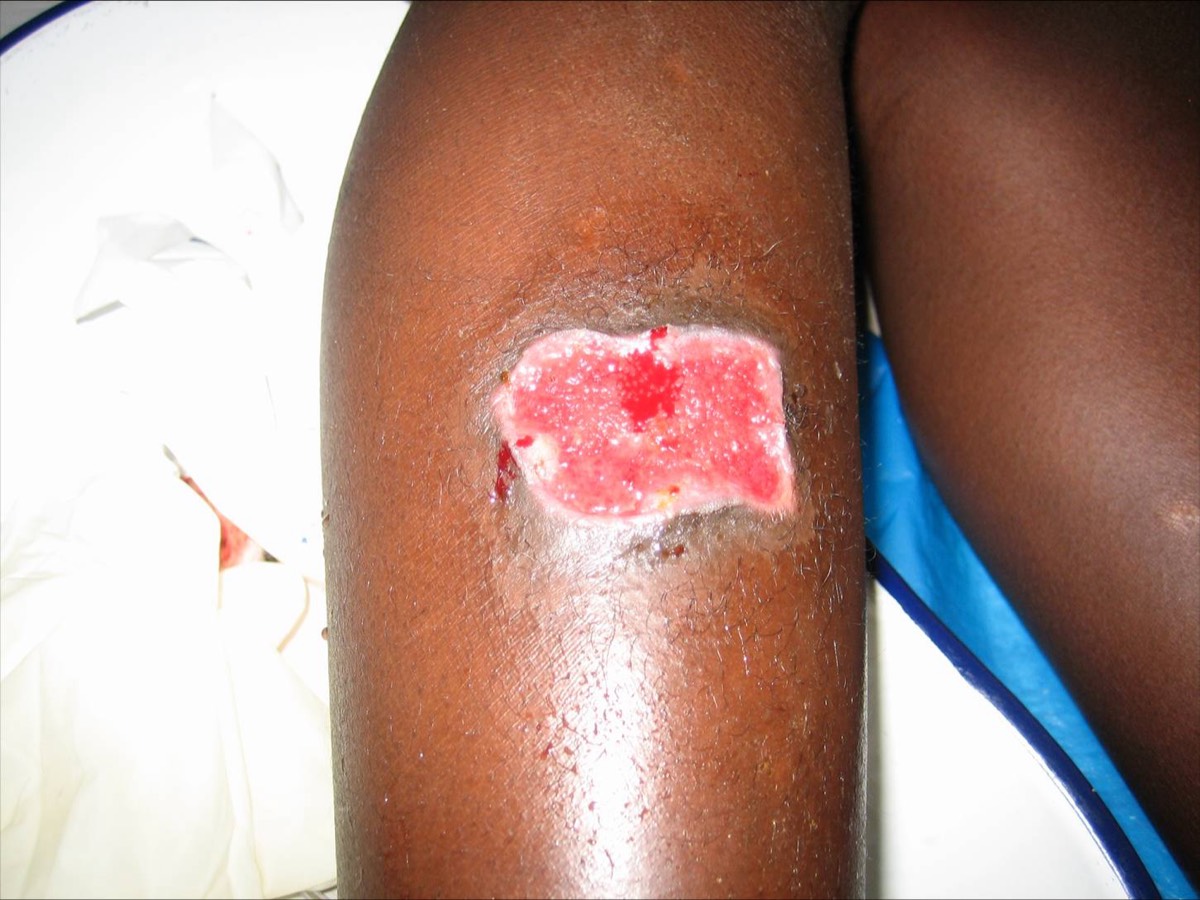
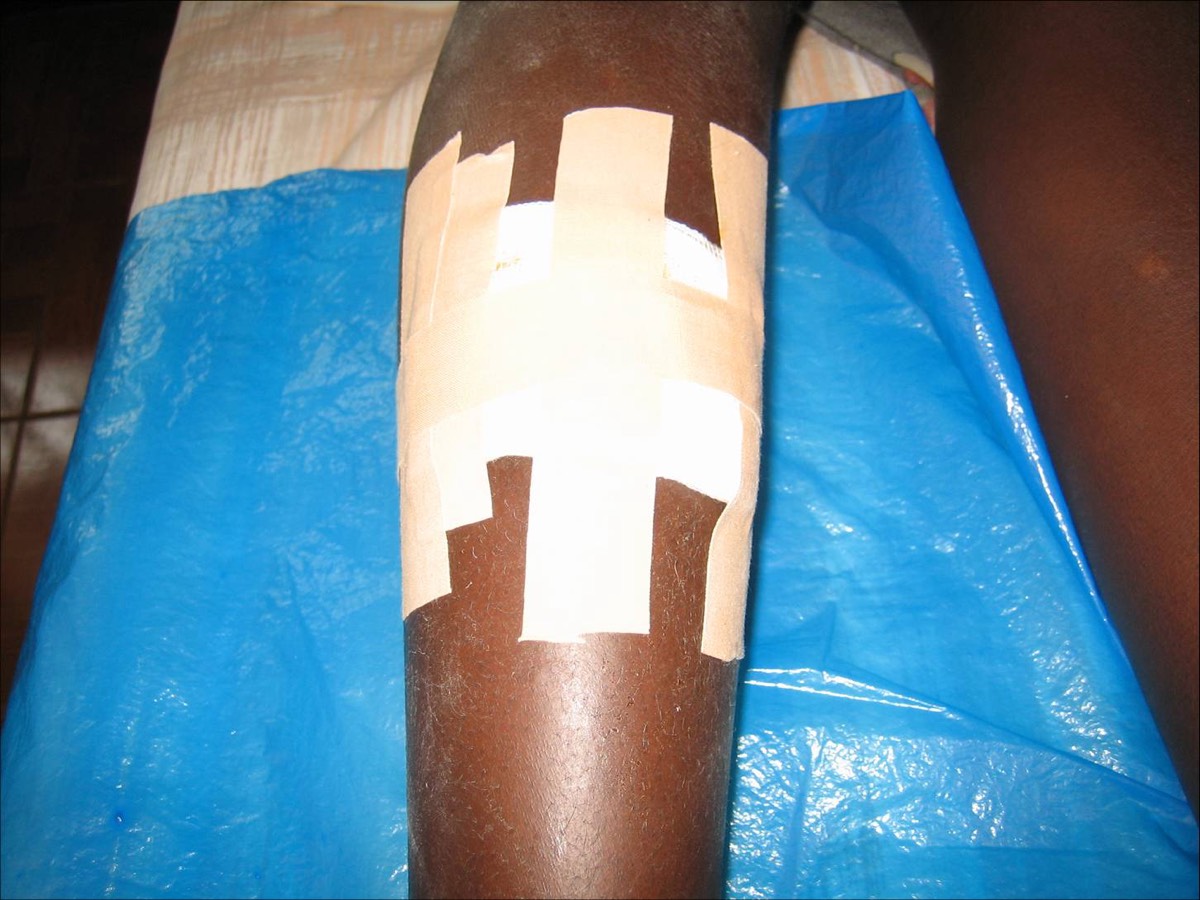
(complete healing after approx. 3 weeks)
In HIV-infected people, skin diseases almost always occur and take a particularly severe course.
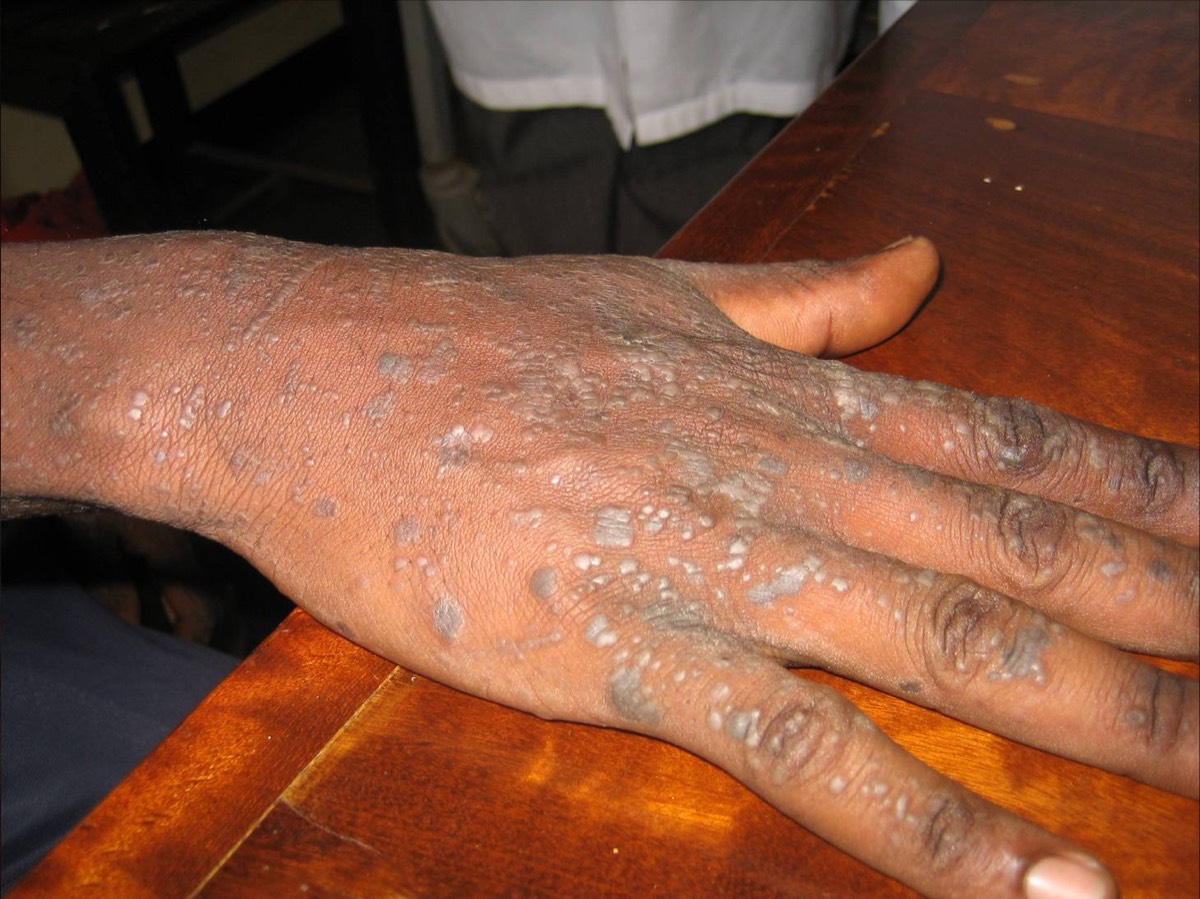
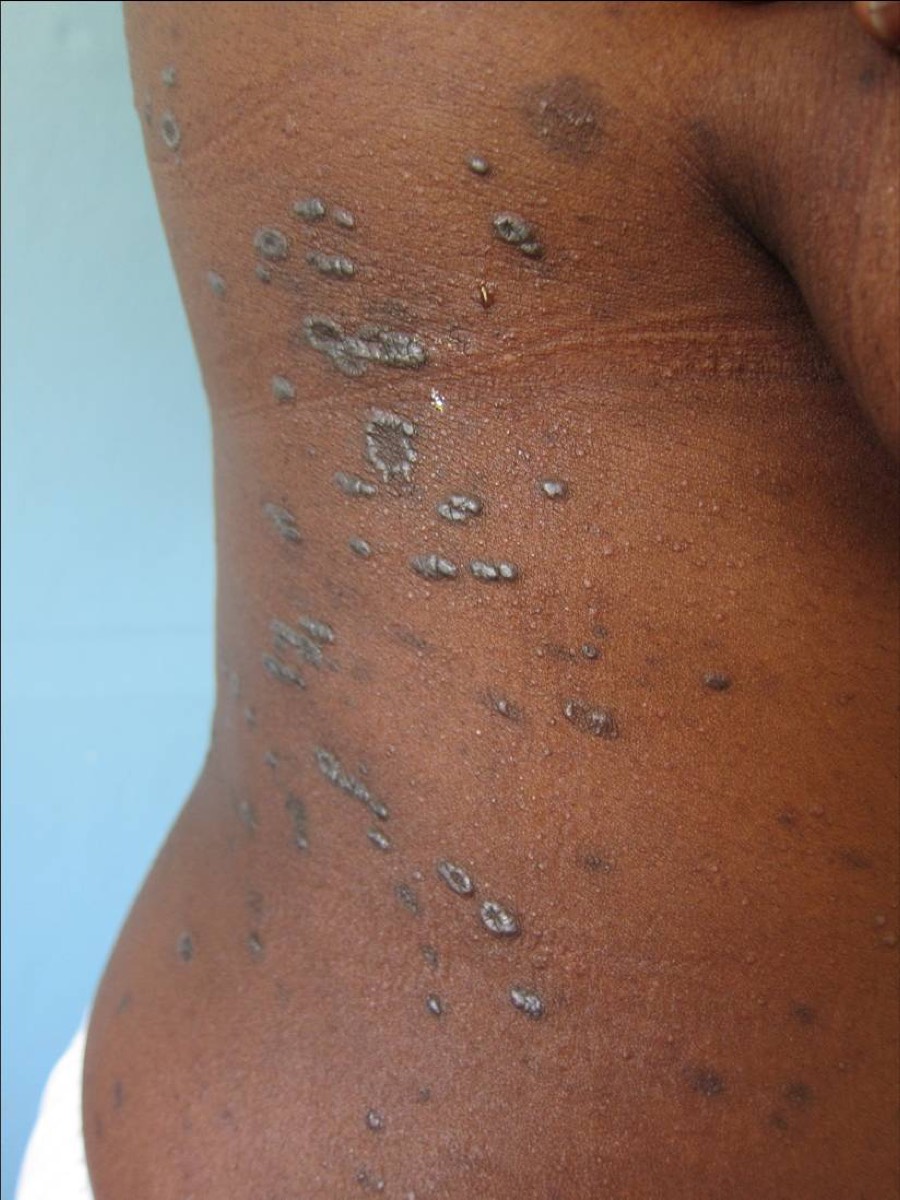
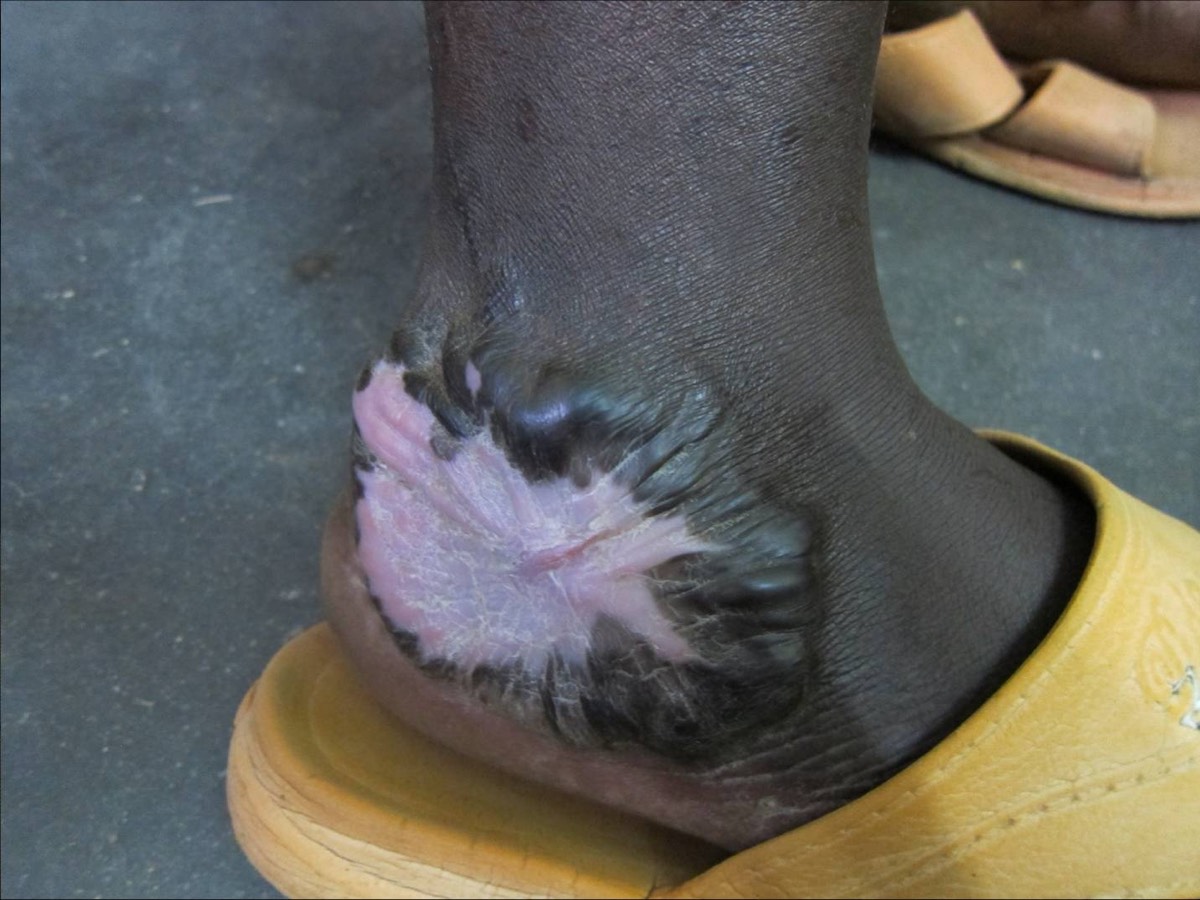
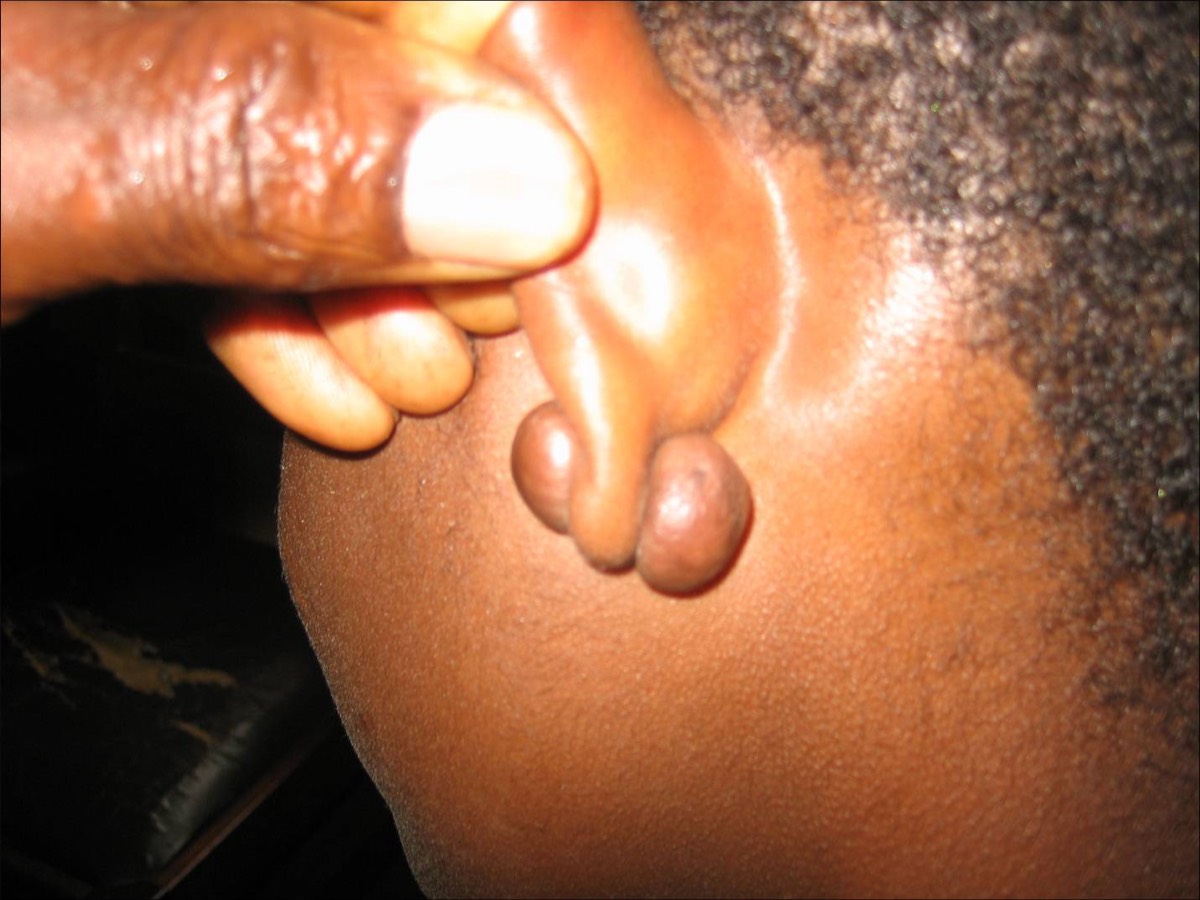
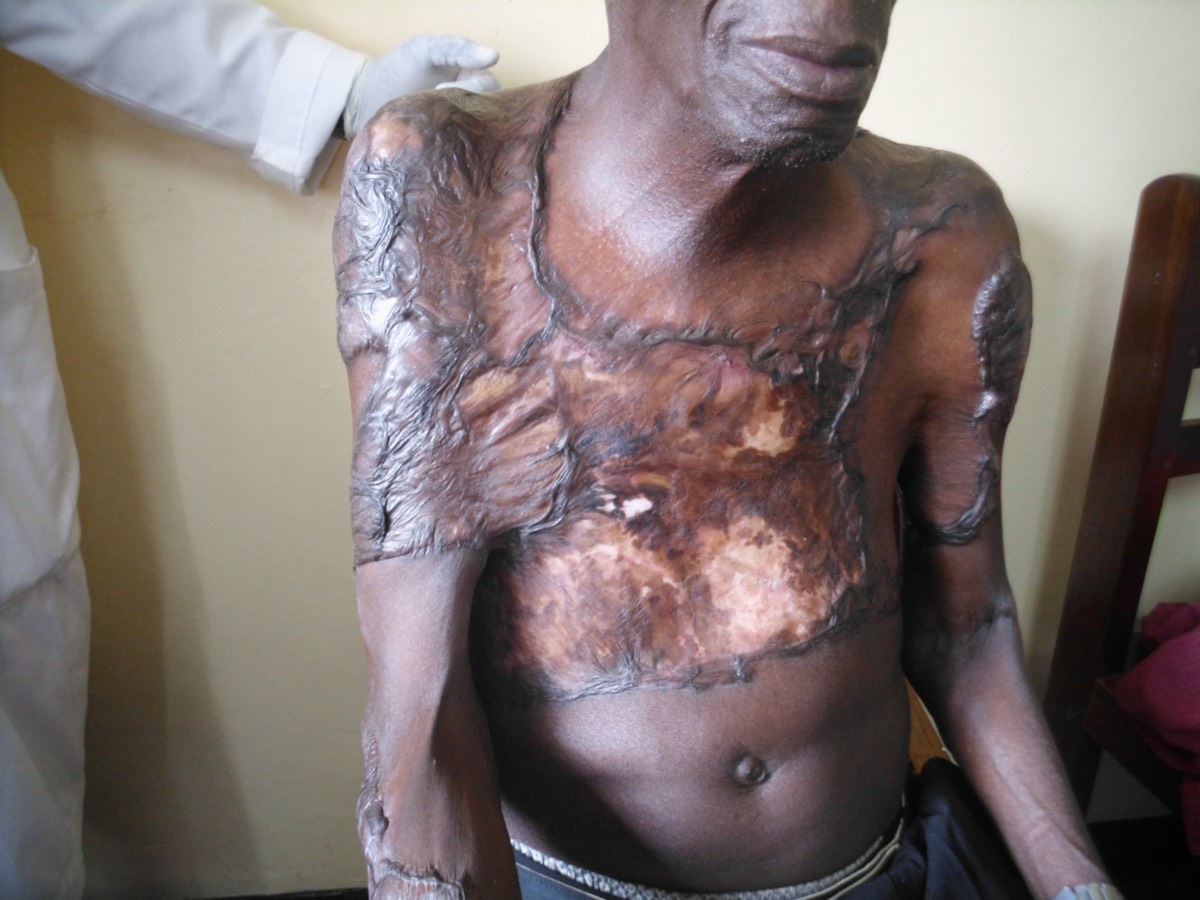
Black skin frequently tends to form pronounced raised scars (keloids)
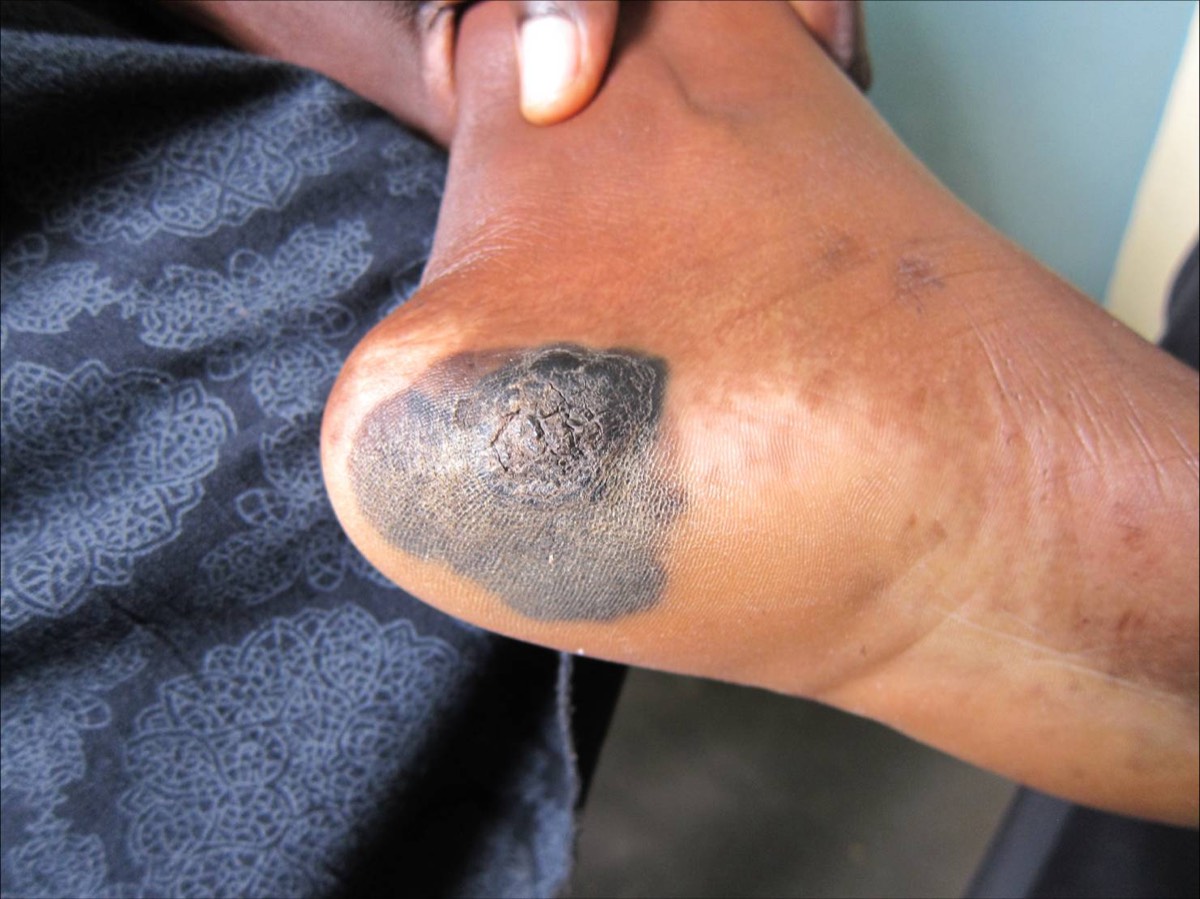
Malignant skin tumours
are fortunately much rarer in Ugandans than in white people, owing to the strong pigmentation of their skin. The patients almost always come to the Skin-Clinic with findings that are already very advanced.
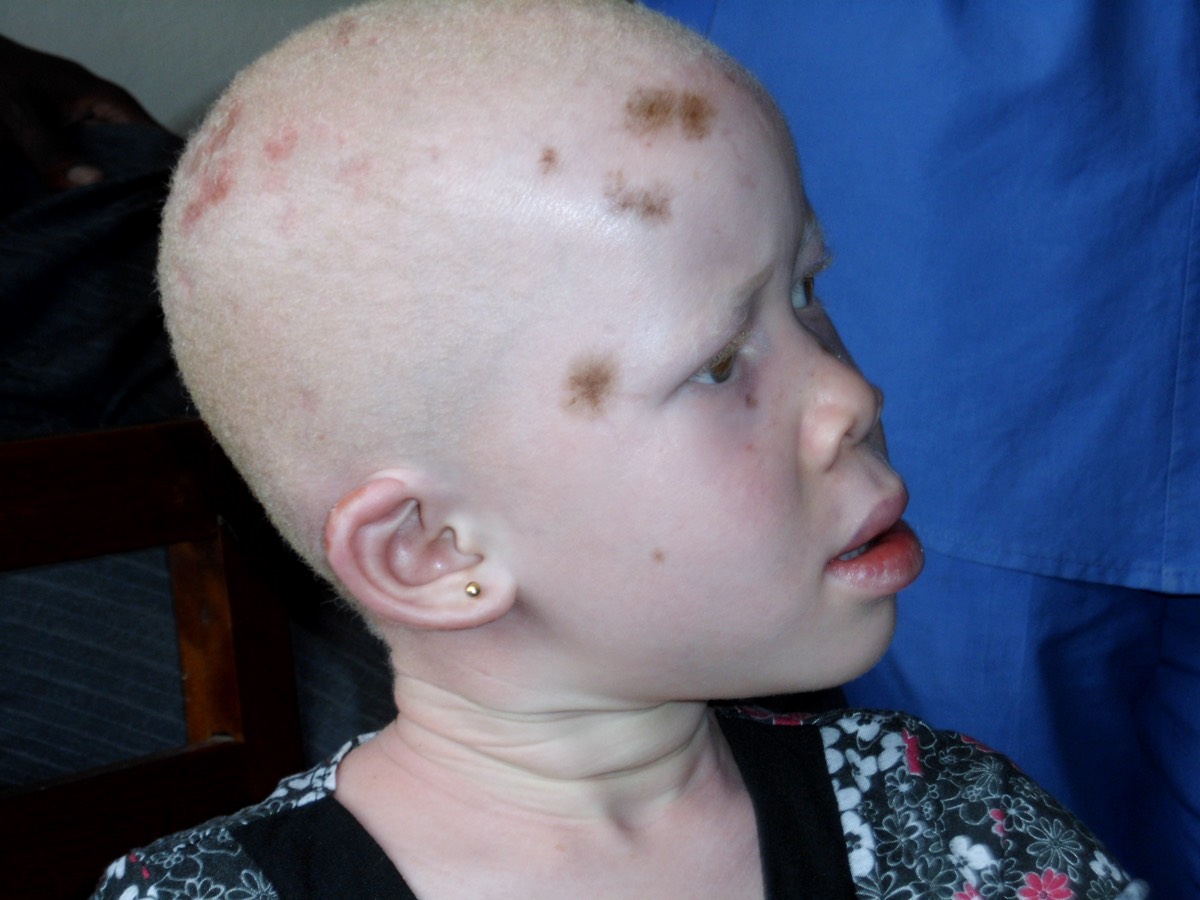
Malignant skin tumours are, by contrast, very common in people with albinism, a metabolic disorder that prevents the formation of skin pigment (melanin). These patients are extremely sensitive to the sun and often develop squamous cell carcinomas and basal cell carcinomas at a young age; they are also at risk of malignant melanoma.
Severe adverse drug reactions
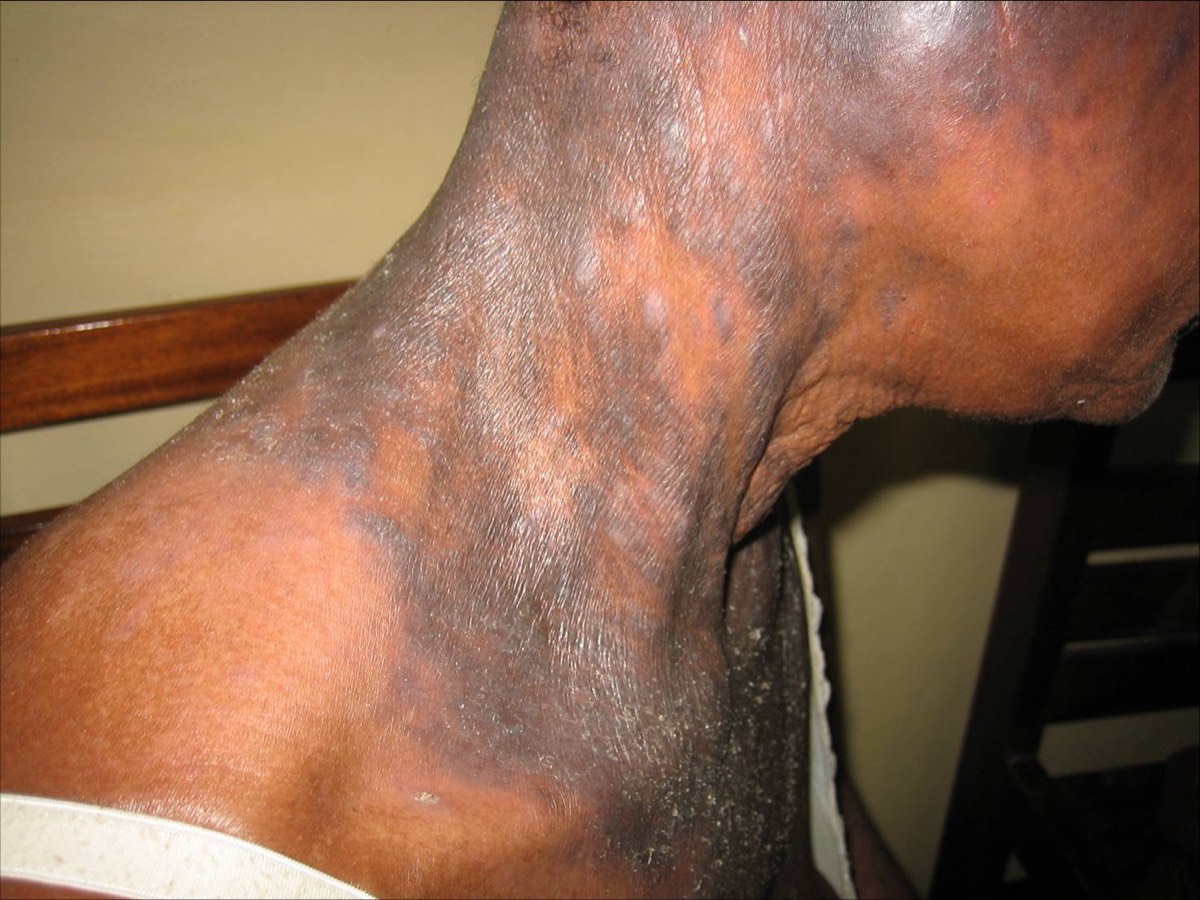
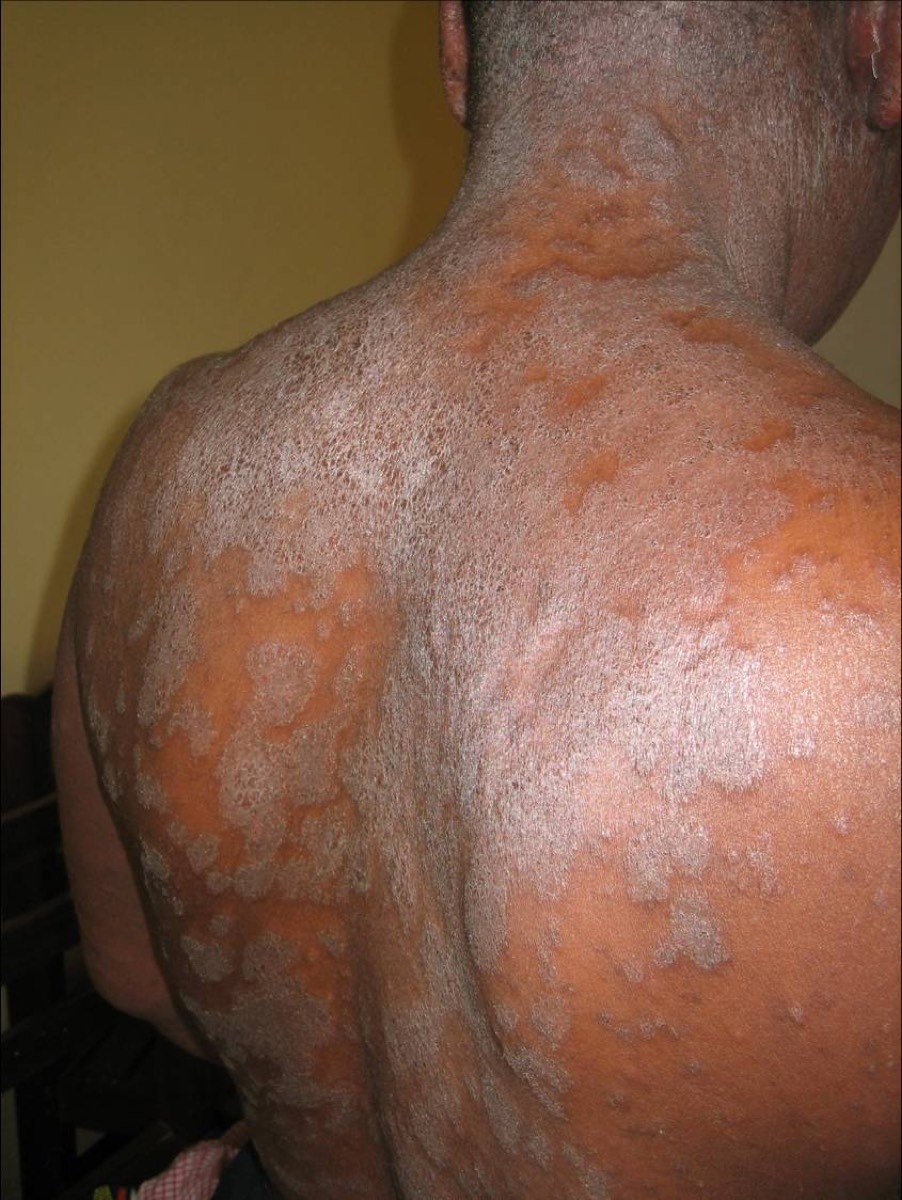
Because there are only a few doctors in Uganda, patients in health centres are often treated on the basis of their symptoms according to so-called flow charts, which leads to uncontrolled use of medicines, especially antibiotics. Severe adverse drug reactions, above all on the skin, are correspondingly common.
Traditional medicine
To treat skin diseases, traditional African herbal medicine is often used first, unfortunately often by completely unqualified lay people. The herbal mixtures worsen the condition through additional severe skin irritation, which frequently becomes infected.
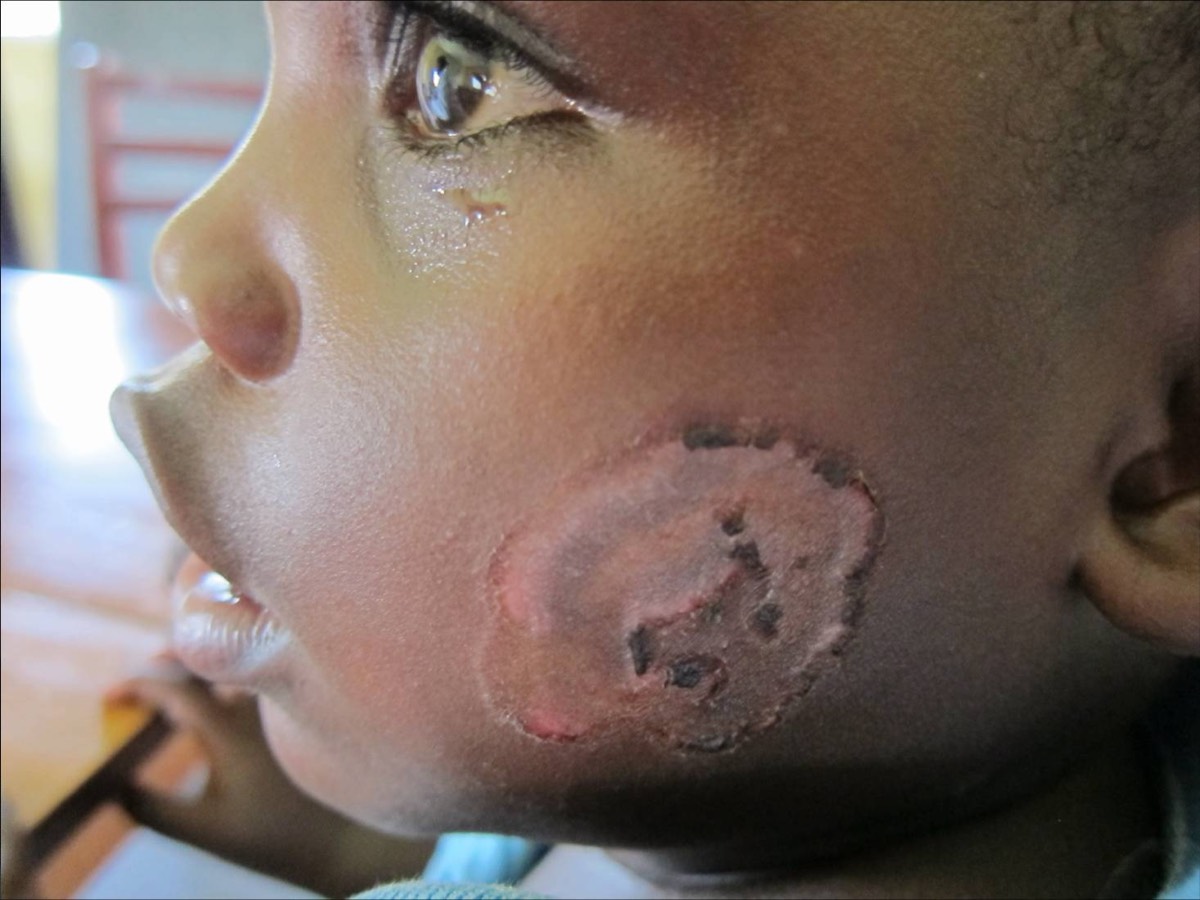
Tropical diseases
that do not occur in Europe also play a role.
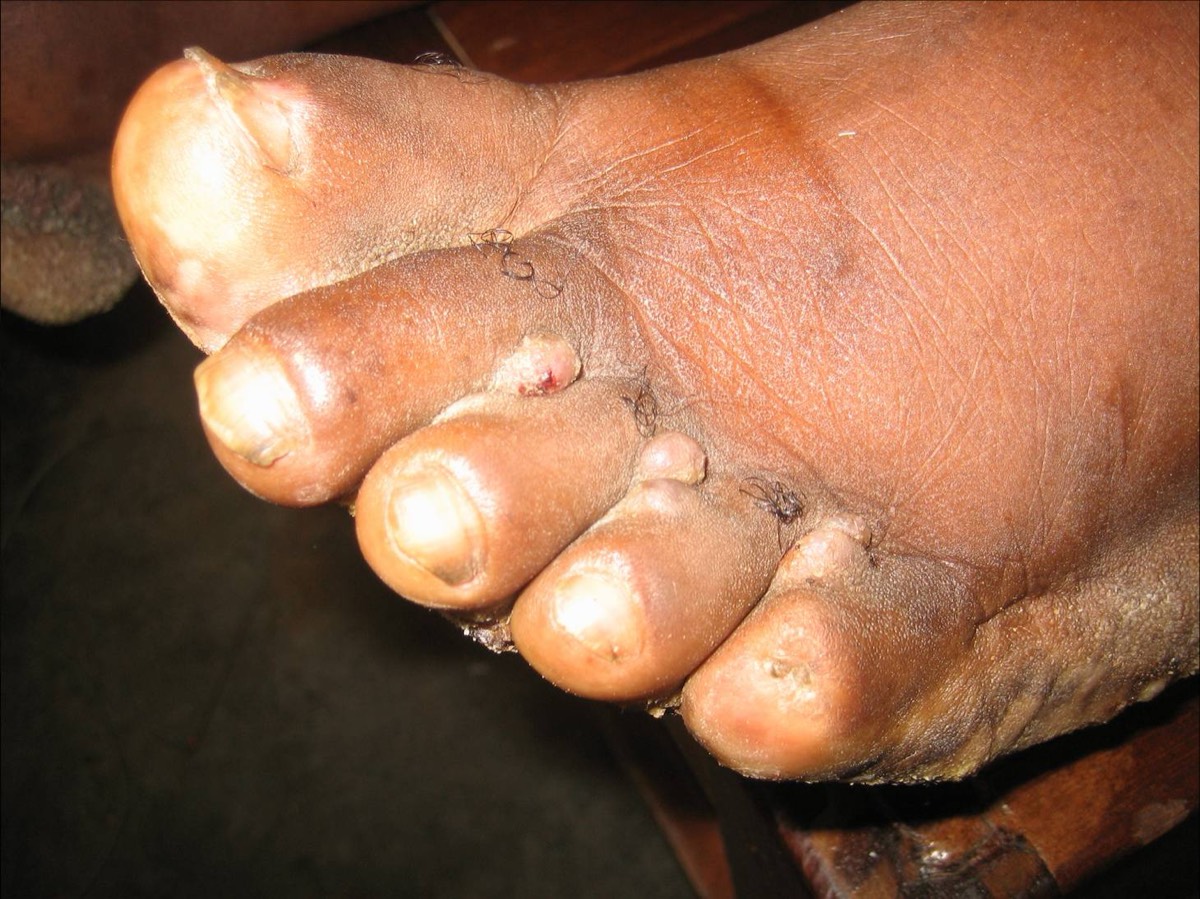
Infestation with sand fleas (tungiasis, “jiggers”) is very common among the rural population, who often go barefoot.
Photos: Dr. med. Claudia El Gammal